
Who’s behind our supplements?Updated 6 months ago
At Heights, every product is developed in collaboration with leading experts in nutrition, science, and wellbeing—so you can feel confident in what you’re taking.
Here’s a look at some of the minds behind our formulas:
🧠 Sophie Medlin — Head of Nutritional Research

Registered dietitian and Chair of the British Dietetic Association for London, Sophie brings deep expertise in evidence-based nutrition. With a background in the NHS and as a lecturer at King’s College London, she plays a key role in shaping our formulations—ensuring they’re both effective and grounded in real science.
🧬 Dr. Tara Swart — Science Advisor
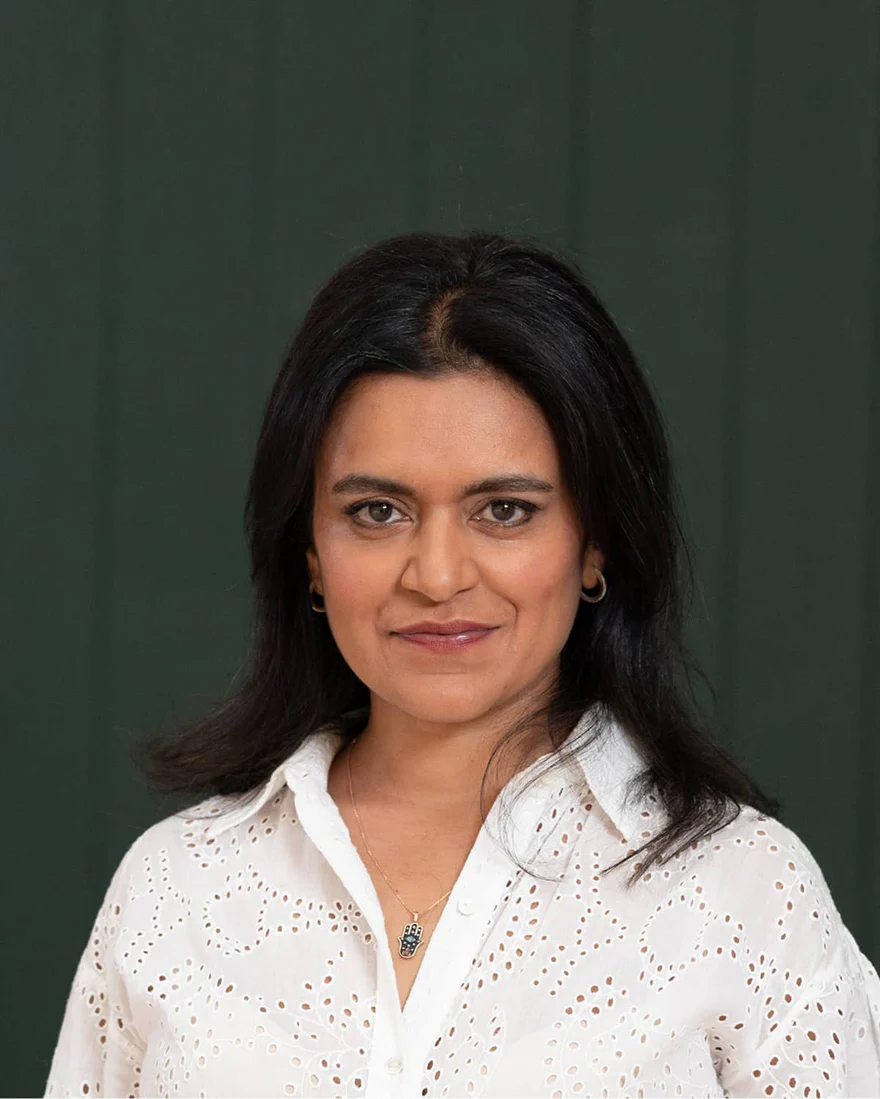
An Oxford-trained medical doctor and neuroscientist with a PhD in neuropharmacology, Tara brings a unique brain-focused perspective to Heights. Formerly our Chief Science Officer, she now advises on the science behind our products. She’s also a Senior Advisor at MIT Sloan and author of The Source, helping translate complex neuroscience into practical ways to support resilience, performance, and long-term brain health.
🔬 Dr. Harry Jarrett — Director of Science & Research

Harry, who holds a PhD in Human Nutrition and Population Health, leads our research strategy. He works closely with universities and scientific organisations to develop formulations grounded in rigorous evidence. An award-winning researcher and published scientist, he ensures every Heights product meets the highest standards of quality, safety, and impact.
🌿 Oliver Patrick — Chief Wellbeing Officer

With over 25 years’ experience in physiology and executive health, Oliver brings a holistic perspective—spanning stress, sleep, and lifestyle. His work helps ensure our products fit into real lives, supporting long-term wellbeing in a practical, sustainable way.
Together, this team combines clinical expertise, scientific research, and real-world wellbeing insight—so every Heights product is thoughtfully designed to support your health, both now and in the future.